
Top Myths About Sustainable Building Practices in Ontario Debunked


Understanding Sustainable Building Practices
In recent years, sustainable building practices have gained significant attention in Ontario as more people become environmentally conscious. Despite their growing popularity, there are still numerous myths surrounding these practices. It's crucial to debunk these myths to encourage more widespread adoption.
One common myth is that sustainable building is prohibitively expensive. While initial costs can be higher, the long-term savings on energy bills and maintenance often outweigh the upfront investment. Additionally, government incentives and rebates can further offset costs, making sustainability accessible to more people.
Myth: Sustainable Materials Are Hard to Find
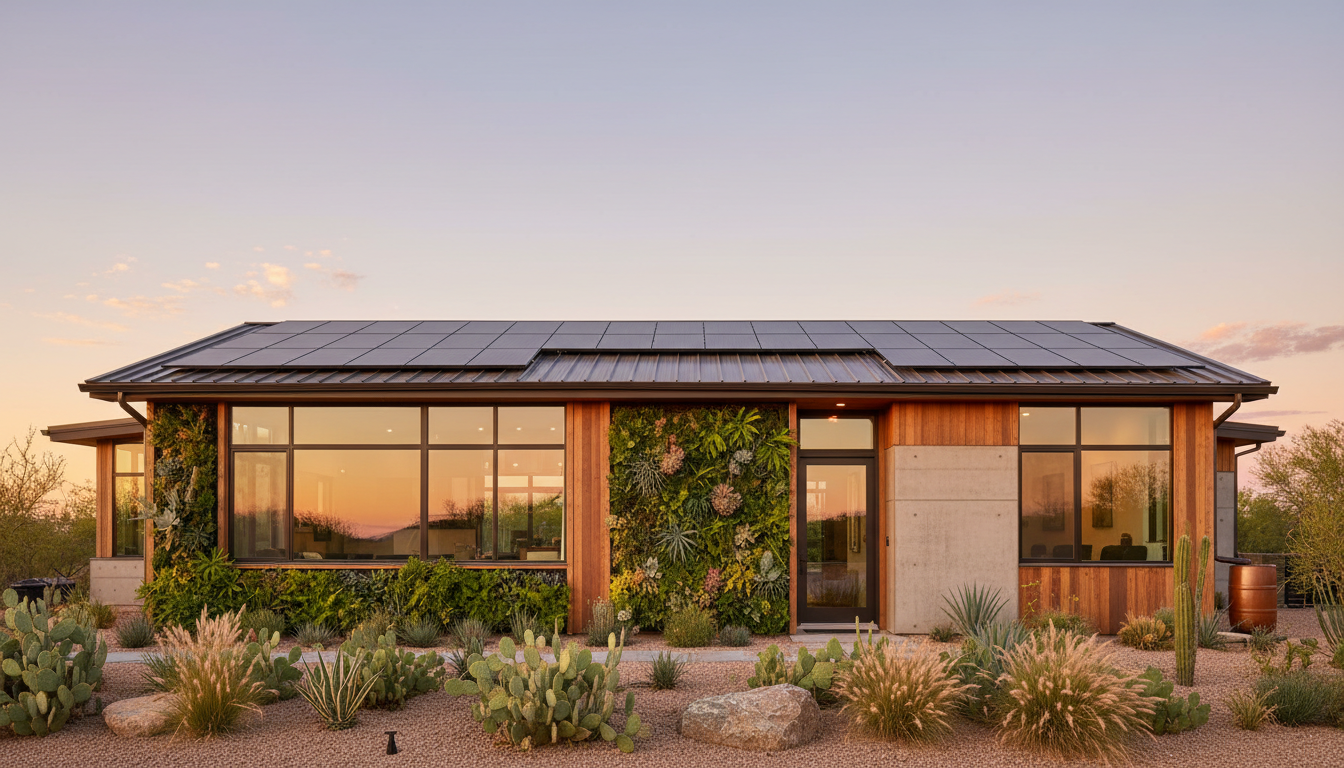
Many believe that sustainable materials are difficult to source, but this is far from the truth. Ontario has a growing market for eco-friendly materials such as bamboo, recycled steel, and reclaimed wood. These materials not only reduce environmental impact but also enhance the durability and aesthetic appeal of buildings.
Furthermore, local suppliers and manufacturers are increasingly offering sustainable options, making them more readily available and cost-effective. By choosing local materials, builders can also reduce the carbon footprint associated with transportation.
Energy Efficiency Doesn't Compromise Comfort
Another myth suggests that energy-efficient homes are less comfortable. In reality, sustainable buildings are designed with advanced technologies that enhance comfort. Features like improved insulation, energy-efficient windows, and smart home systems contribute to a comfortable living environment.

These innovations not only maintain optimal temperatures but also improve indoor air quality, benefiting the health of occupants. The misconception that sustainability compromises comfort is outdated and unsupported by modern building practices.
Myth: Sustainable Buildings Are Only for New Constructions
It's a common misconception that sustainable building practices can only be applied to new constructions. In fact, many existing buildings in Ontario can be retrofitted with sustainable technologies. Upgrading insulation, installing solar panels, or switching to energy-efficient appliances are all effective ways to enhance sustainability in older structures.
Retrofitting not only reduces energy consumption but also increases the building's value and extends its lifespan. This makes sustainability a viable option for both new and existing buildings.

The Role of Government and Community
Government policies and community support play a significant role in promoting sustainable building practices. Ontario has implemented various regulations and incentives aimed at reducing the environmental impact of buildings. These initiatives encourage builders and homeowners to adopt more sustainable methods.
Community awareness and involvement are also critical. Educational programs and workshops can help dispel myths and provide valuable information about the benefits of sustainable building. By working together, communities can foster a culture of sustainability that benefits everyone.
Conclusion: Embracing a Sustainable Future
Debunking myths about sustainable building practices is essential for creating a greener future in Ontario. By understanding the realities and benefits, more people can make informed decisions that positively impact the environment and their quality of life. Sustainable building is not just a trend; it's a necessary step toward a sustainable future.