
Top Mistakes to Avoid in Commercial Construction Projects


Understanding the Complexities of Commercial Construction
Commercial construction projects are intricate endeavors that require meticulous planning and execution. With numerous stakeholders, tight deadlines, and substantial investments, avoiding mistakes is crucial for success. Understanding the common pitfalls can help ensure a smooth project lifecycle.
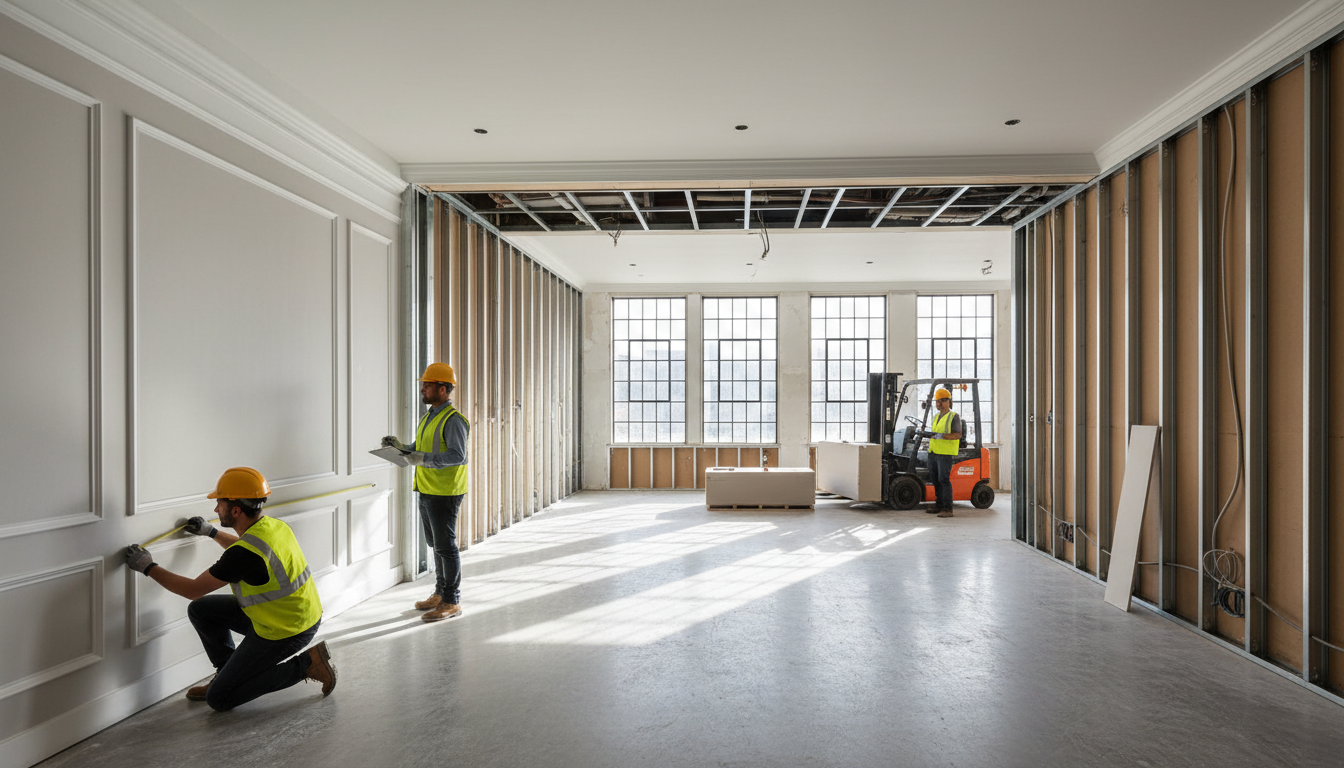
Inadequate Planning and Design
The foundation of any successful construction project lies in thorough planning and design. Skimping on this phase can lead to costly revisions and delays. It's essential to engage experienced architects and engineers to develop comprehensive plans that account for all aspects of the project.
Consider conducting feasibility studies and risk assessments to anticipate potential challenges. This proactive approach can save time and money, ensuring that the project aligns with budgetary constraints and timelines.
Poor Communication Among Stakeholders
Effective communication is vital in coordinating efforts between contractors, clients, architects, and suppliers. Lack of communication can lead to misunderstandings, errors, and conflicts. Establishing a clear communication protocol helps keep everyone on the same page.

Regular meetings, updates, and a centralized communication platform can facilitate transparency and collaboration. This ensures that any issues are promptly addressed, minimizing disruptions.
Ignoring Regulatory Compliance
Adhering to local building codes and regulations is non-negotiable. Overlooking compliance can result in legal complications, fines, and project shutdowns. It's crucial to stay informed about the latest regulations and ensure all permits are in place before breaking ground.
Hiring a knowledgeable compliance officer or consultant can help navigate these requirements, ensuring that all legal obligations are met and maintained throughout the project.
Underestimating Costs and Budget Overruns
Budget overruns are a common challenge in commercial construction. Underestimating costs can lead to financial strain and incomplete projects. To avoid this, develop a detailed budget that includes contingency funds for unexpected expenses.

Regular financial reviews and adjustments are essential to keep the project on track. Engaging a financial expert or project manager with experience in construction can provide valuable insights into cost management.
Lack of Skilled Labor and Quality Control
A skilled workforce is the backbone of any successful construction project. Hiring unqualified labor can compromise quality and safety. Implement a rigorous hiring process to ensure that workers possess the necessary skills and certifications.
Additionally, establish a robust quality control system to monitor construction standards. Regular inspections and audits can help identify issues early, maintaining the integrity and safety of the project.