
Preparing Your Commercial Building for Winter: Essential Renovation Tips


Inspecting the Building Envelope
As winter approaches, it's crucial to ensure that your commercial building's exterior is ready to withstand the elements. The building envelope, which includes the roof, walls, windows, and doors, should be thoroughly inspected for any signs of damage or wear. Look for cracks, holes, or gaps that could allow cold air and moisture to seep in. Addressing these issues early can prevent costly repairs down the road.

Roof Maintenance
Your roof is the first line of defense against winter weather. Check for missing or damaged shingles, and ensure that gutters and downspouts are clear of debris to prevent ice dams. Regular maintenance not only extends the life of your roof but also helps maintain energy efficiency by keeping the cold out and the heat in.
Enhancing Insulation and Sealing
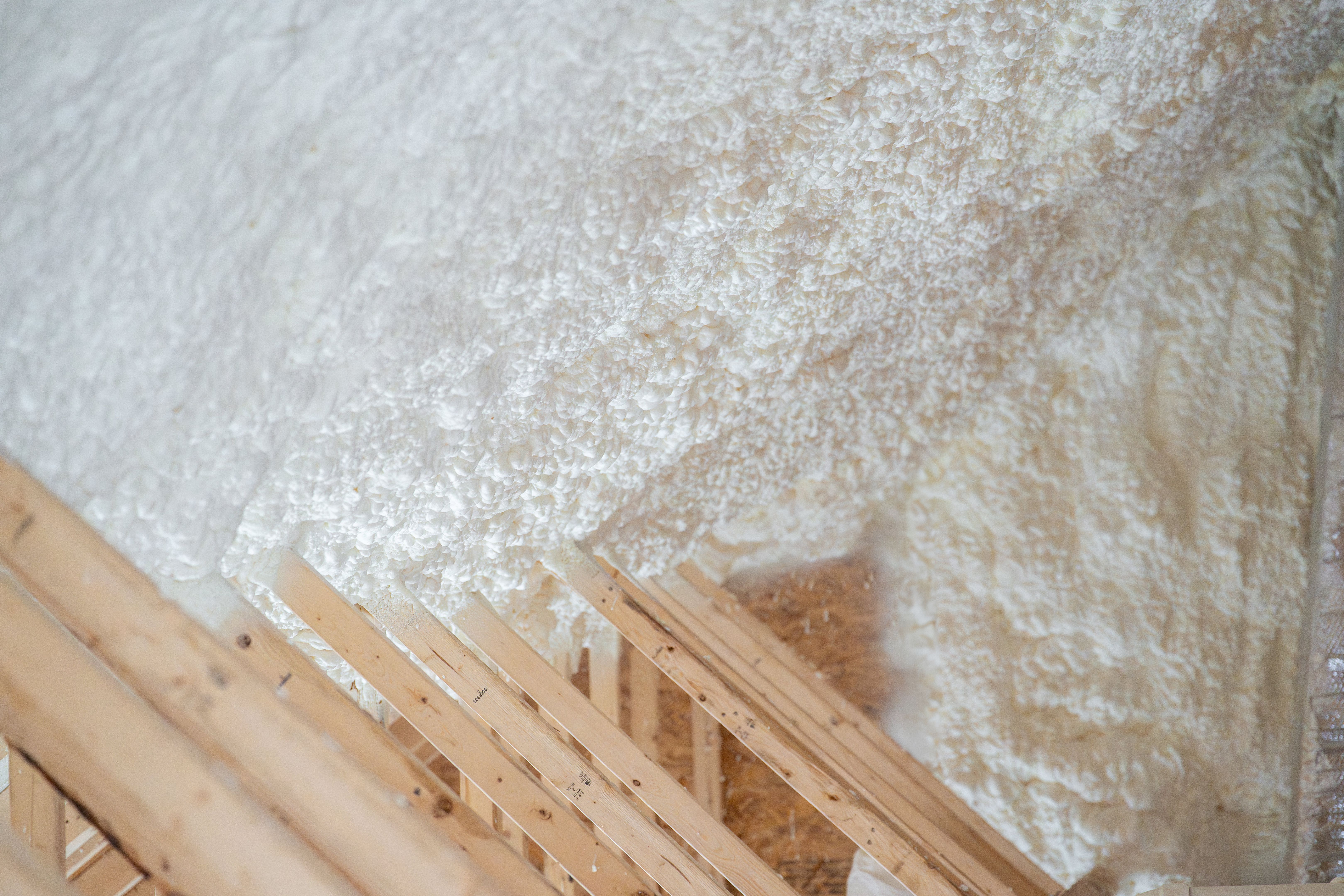
Proper insulation is key to maintaining a comfortable indoor temperature during the winter months. Assess the insulation in walls, attics, and crawl spaces to ensure it meets current standards. Adding or upgrading insulation can significantly reduce heating costs and enhance comfort for occupants.
Sealing Gaps and Cracks
Drafts can be a significant source of heat loss in commercial buildings. Use weatherstripping and caulking to seal gaps around windows, doors, and utility penetrations. This simple step can lead to substantial energy savings and improve indoor air quality by preventing moisture infiltration.
Upgrading HVAC Systems
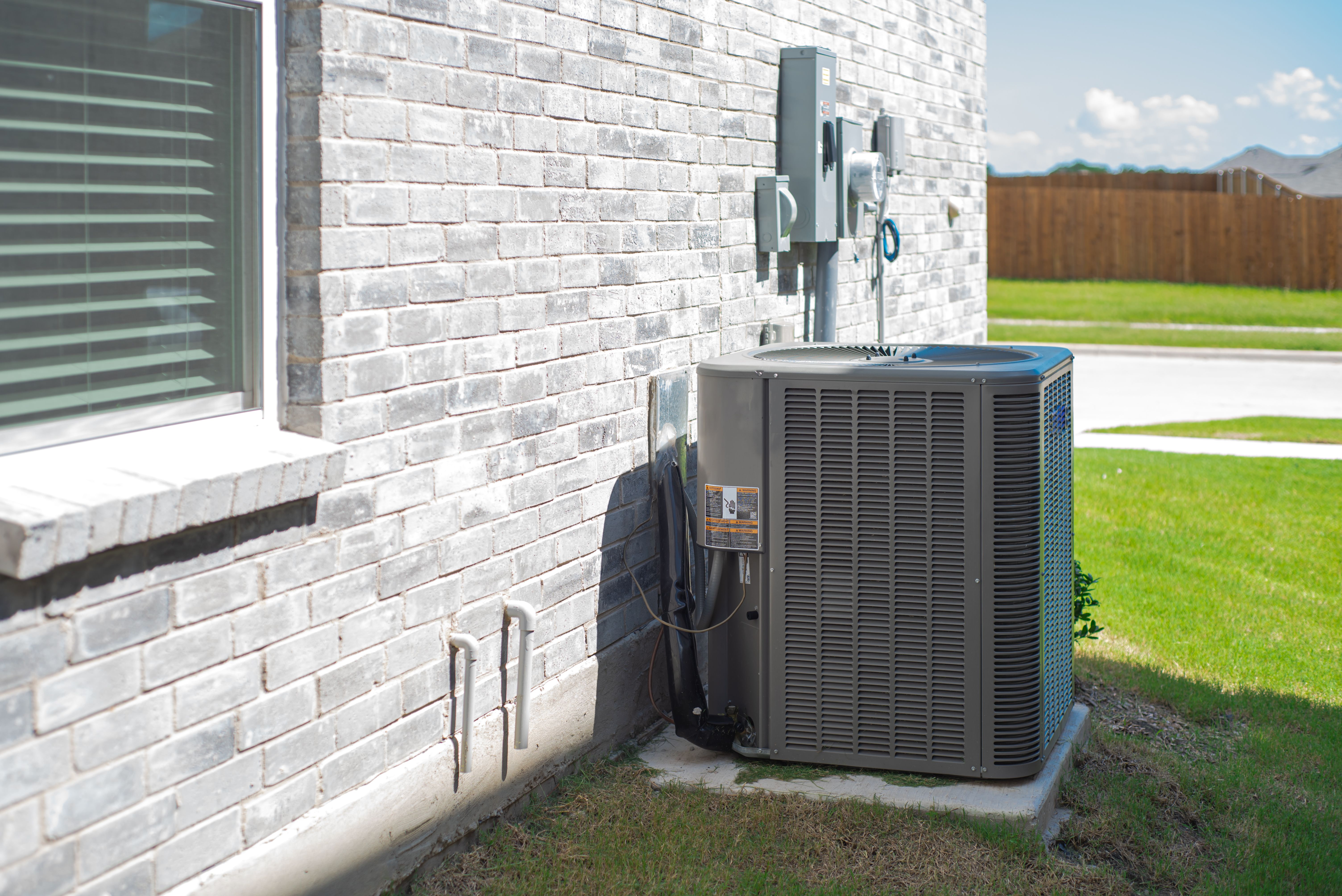
Winter is the perfect time to evaluate your building's heating, ventilation, and air conditioning (HVAC) system. Schedule a professional inspection to ensure it operates efficiently and performs necessary repairs or upgrades. A well-maintained HVAC system not only provides reliable heating but also improves energy efficiency.
Consider Energy-Efficient Upgrades
If your HVAC system is outdated, consider investing in energy-efficient models. Modern systems offer better performance and can significantly reduce energy consumption, leading to lower utility bills. Look for equipment with high seasonal energy efficiency ratios (SEER) and energy star certifications.
Preparing Common Areas
Ensure that all common areas, such as lobbies and hallways, are prepared for winter conditions. Install durable mats at entrances to reduce slip hazards from snow and ice. Consider upgrading lighting to LED fixtures, which perform well in cold temperatures and reduce energy usage.

Emergency Preparedness
Winter weather can be unpredictable, so it's important to have an emergency plan in place. Stock up on essential supplies such as salt, sand, and shovels. Ensure that emergency exits are accessible and clearly marked. Regularly review your emergency procedures with staff to ensure everyone knows their role in case of a severe weather event.