
Mastering Project Management for Construction Projects: Essential Tips


Understanding the Basics of Construction Project Management
Construction project management is a complex field that requires a blend of technical knowledge, leadership skills, and effective communication. At its core, it involves planning, coordinating, and overseeing construction projects from inception to completion. Mastering these elements can significantly enhance project success and client satisfaction.
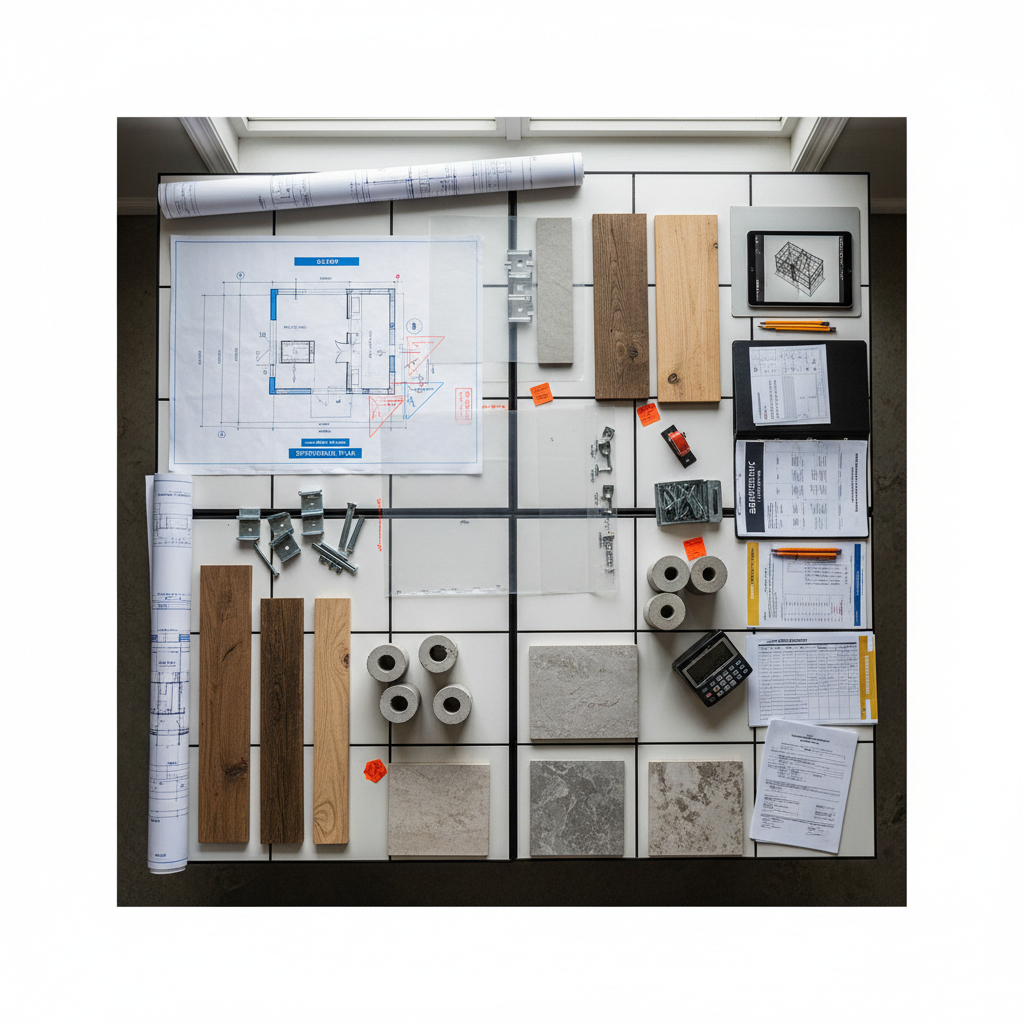
Key Components of Successful Project Management
Detailed Planning
One of the most crucial aspects of project management is detailed planning. A comprehensive plan outlines the project's scope, timeline, resources, and budget. This plan serves as a roadmap, ensuring that all team members are aligned and clear on their roles and responsibilities.
Effective Communication
Communication is the backbone of any project. In construction, it is vital to maintain clear and consistent communication among all stakeholders, including clients, architects, engineers, and contractors. Regular updates and meetings can help to prevent misunderstandings and keep the project on track.
Tools and Techniques for Better Management
Utilizing Technology
Modern technology offers numerous tools to enhance project management efficiency. Software solutions like Building Information Modeling (BIM) and project management apps can streamline processes, improve collaboration, and provide real-time updates. These tools help in reducing errors and increasing productivity.

Risk Management
Identifying and mitigating risks is a critical part of project management. By anticipating potential challenges and developing contingency plans, project managers can minimize disruptions and ensure that the project progresses smoothly.
Building and Leading Effective Teams
A successful construction project manager must also be an effective leader. Building a skilled and motivated team is essential. This involves recruiting the right talent, fostering a collaborative environment, and providing the necessary training and resources.

Continuous Monitoring and Evaluation
Regular monitoring and evaluation are necessary to track progress and make adjustments as needed. By assessing performance against the project plan, managers can identify areas for improvement and ensure that the project stays within scope and budget.
Conclusion: The Path to Mastery
Mastering project management in construction requires a blend of knowledge, skill, and experience. By focusing on detailed planning, effective communication, technology utilization, risk management, and strong leadership, project managers can successfully navigate the complexities of construction projects and achieve outstanding results.