Mastering Project Management for Construction Projects: A Comprehensive Guide


Understanding the Basics of Construction Project Management
Construction project management is a complex and multifaceted discipline that requires a blend of technical skills, leadership, and strategic thinking. The primary goal is to ensure that construction projects are completed on time, within budget, and according to specified quality standards. This guide will explore the key elements and best practices essential for mastering project management in the construction industry.

Key Phases of Construction Project Management
A construction project typically unfolds in several key phases: initiation, planning, execution, monitoring, and closure. Each phase demands meticulous attention to detail and systematic coordination among various stakeholders.
Initiation involves defining the project scope and objectives. During the planning phase, project managers develop detailed schedules and allocate resources. The execution phase is where the actual construction takes place, requiring constant oversight. Monitoring ensures that the project remains on track, while closure involves final inspections and documentation.
Effective Communication and Collaboration
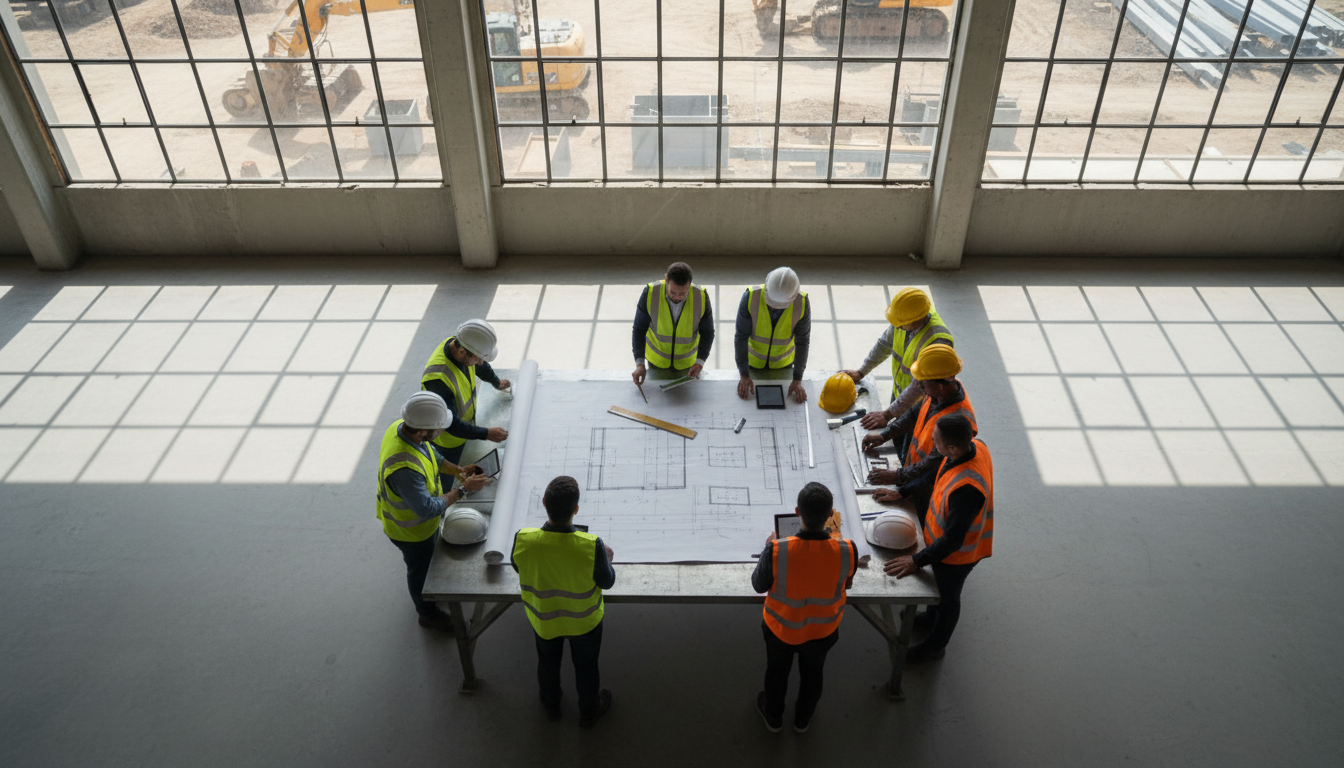
Effective communication is the cornerstone of successful construction project management. It involves regular updates, transparent reporting, and open channels for feedback. Collaboration among architects, engineers, contractors, and clients is crucial to address any issues that may arise during the project lifecycle.

Risk Management and Mitigation Strategies
Risk management is a vital component of project management in construction. Identifying potential risks early and developing mitigation strategies can save time and resources. Common risks include delays, budget overruns, and unforeseen site conditions.
Project managers should conduct thorough risk assessments and maintain a risk register. This document helps track identified risks and outlines the actions required to manage them effectively.
Utilizing Technology in Construction Management
The integration of technology in construction project management has revolutionized the industry. Tools like Building Information Modeling (BIM), project management software, and drones are enhancing efficiency and accuracy.
BIM allows for detailed 3D modeling, improving collaboration and reducing errors. Project management software facilitates real-time communication and document sharing, while drones provide aerial insights into site progress and safety.

Quality Control and Assurance
Ensuring quality is paramount in construction projects. Quality control involves regular inspections and testing to verify that the work meets the required standards. Quality assurance, on the other hand, focuses on the processes used to achieve quality outcomes.
Implementing a robust quality management plan helps in maintaining consistency and meeting client expectations. Continuous improvement practices should be employed to refine processes and enhance overall project quality.
Leadership and Team Management
Strong leadership is essential for the success of any construction project. Project managers must possess the ability to motivate and manage diverse teams. This includes setting clear goals, providing constructive feedback, and fostering an environment of trust and collaboration.
Effective leaders also prioritize safety, ensuring that all team members adhere to safety protocols and guidelines. A proactive approach to safety reduces the risk of accidents and contributes to a positive project environment.