
How to Prepare Your Commercial Building for the Winter Season


As the winter season approaches, it's crucial to ensure that your commercial building is ready to withstand the colder months. Preparing your building for winter not only keeps it comfortable for occupants but also helps to prevent costly damage. Here are some essential steps to take.
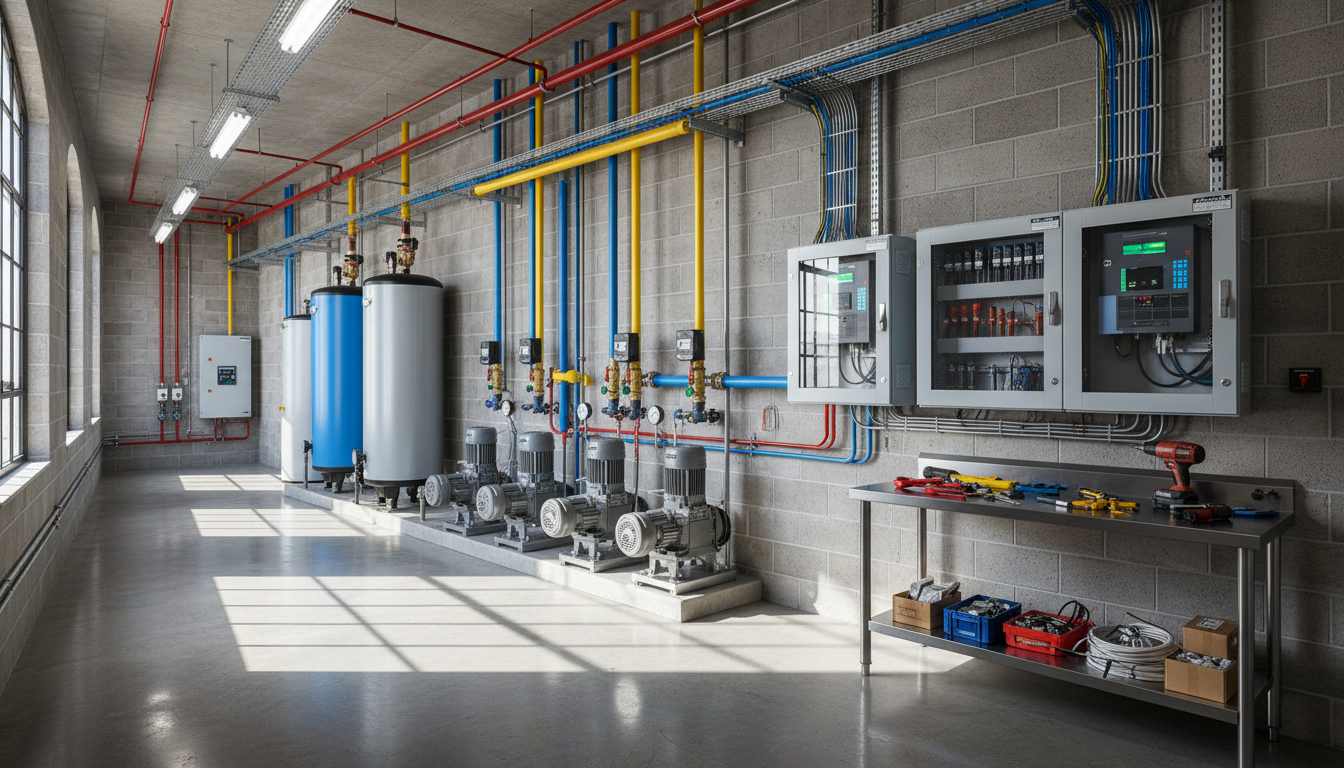
Inspect and Maintain the Heating System
Your heating system is vital during winter. Start by scheduling a professional inspection to ensure everything is functioning correctly. Regular maintenance can prevent unexpected breakdowns.
Change the filters and clean the vents to improve efficiency. Consider upgrading to a programmable thermostat to optimize heating schedules and save energy.
Insulate and Seal Windows and Doors
Proper insulation is key to maintaining a warm environment. Check windows and doors for drafts and seal any gaps with weatherstripping or caulking. This will help reduce heat loss and lower energy bills.
If your building has older windows, consider investing in energy-efficient replacements or using thermal window coverings for added insulation.
Prepare the Roof and Gutters
The roof and gutters play a significant role in protecting your building from winter weather. Inspect the roof for any damage or missing shingles, and repair as necessary to prevent leaks.
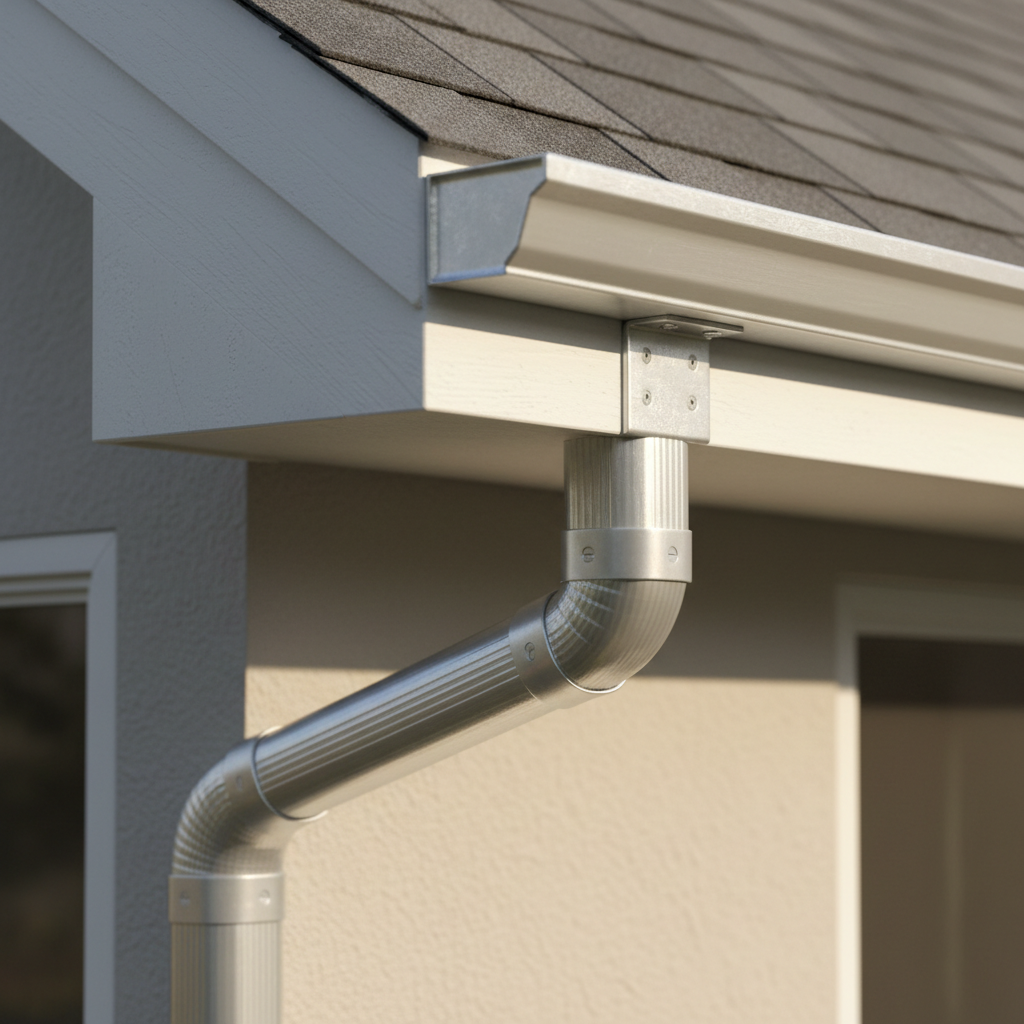
Clean the gutters and downspouts to ensure proper drainage. Ice build-up can cause blockages, leading to water damage. Installing gutter guards can be a worthwhile investment.
Check the Plumbing
Freezing temperatures can wreak havoc on plumbing systems. Insulate exposed pipes to prevent them from freezing and bursting. Pay special attention to areas that are not heated, like basements and attics.
Consider installing a smart water leak detector that can alert you to potential issues before they become significant problems.
Enhance Safety Measures
Winter weather can increase the risk of accidents. Ensure that all walkways and parking areas are well-lit and clear of snow and ice. Keep a supply of salt or sand on hand to treat slippery surfaces.
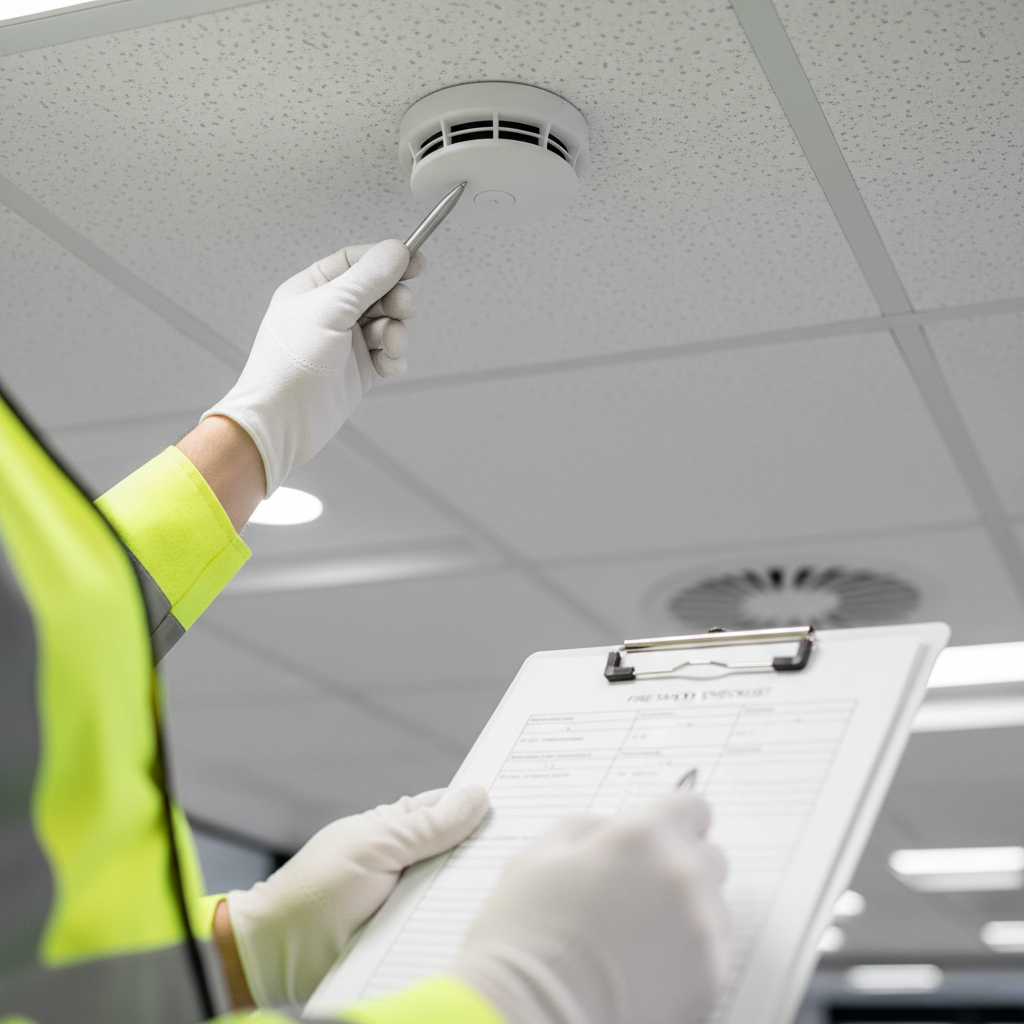
Review your building's emergency procedures and ensure that all safety equipment is in good working order. Regularly test smoke and carbon monoxide detectors.
Conduct Energy Audits
Conducting an energy audit can reveal areas where you can improve efficiency. Look for opportunities to upgrade to energy-efficient lighting and appliances.
Consider implementing energy-saving practices, such as turning off lights and equipment when not in use, to help reduce overall energy consumption.
Communicate with Tenants and Staff
Keep tenants and staff informed about winter preparations and any changes in procedures. Encourage them to report any issues, such as drafts or leaks, promptly.
Providing clear communication can help ensure a safe and comfortable environment for everyone throughout the winter season.