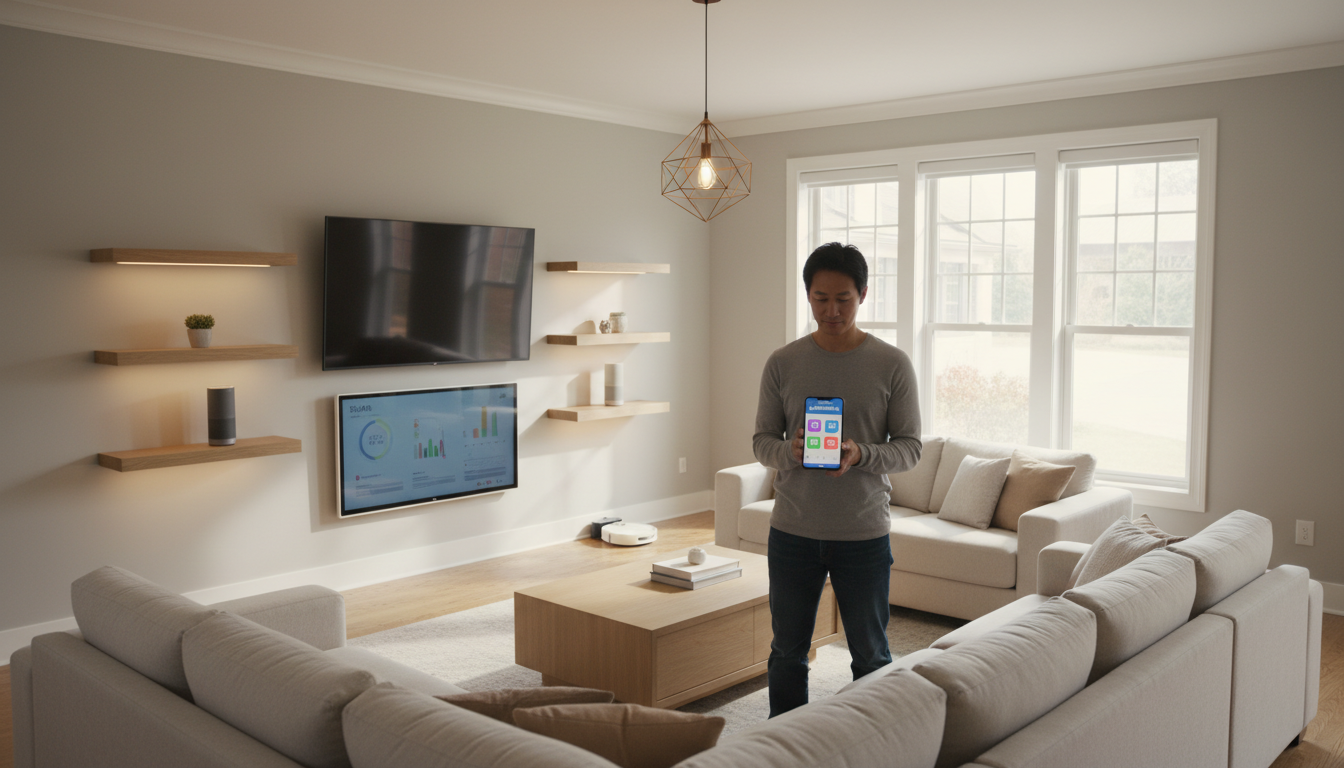
How to Plan a Smart Home Renovation: Tips from the Experts


Understanding Your Needs and Setting a Budget
Planning a smart home renovation starts with understanding your needs. Consider what aspects of your home require upgrading and how smart technology can enhance your lifestyle. Whether it's improving energy efficiency or adding security features, defining your goals is crucial.
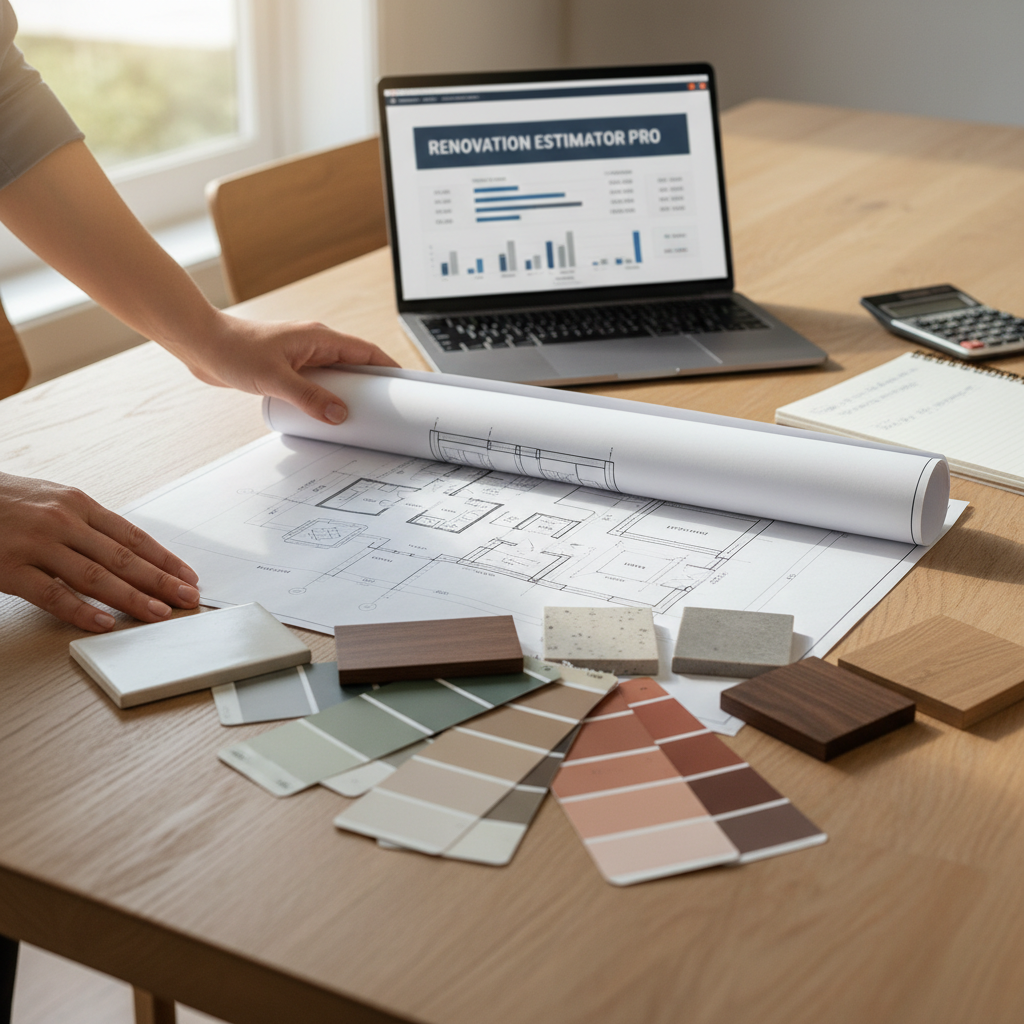
Once you have a clear vision, set a realistic budget. A well-planned budget ensures that you can prioritize essential upgrades without overspending. Consider costs of materials, labor, and unexpected expenses to avoid financial strain.
Researching the Latest Smart Home Technologies
Technology evolves rapidly, so it's essential to stay updated with the latest smart home innovations. Research different products, read reviews, and even visit showrooms to see demonstrations. This will help you choose the right devices that fit your needs and budget.
Consider compatibility with existing systems in your home. Opt for devices that work together seamlessly to create a cohesive smart environment. Integration is key for maximizing efficiency and convenience.
Hiring the Right Professionals
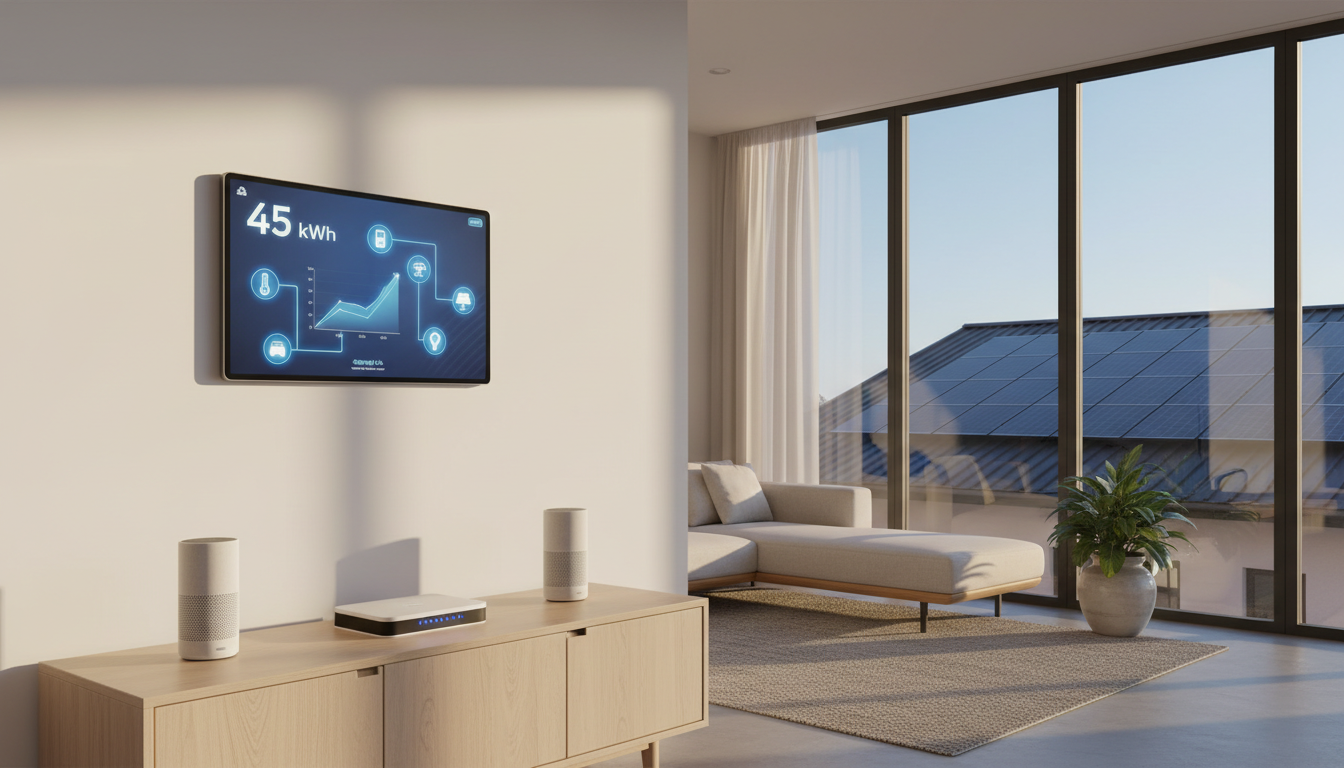
For a successful renovation, hiring the right professionals is crucial. Seek recommendations, read online reviews, and interview multiple contractors to find the best fit for your project. Experienced professionals can offer valuable insights and ensure quality workmanship.
Discuss your vision and requirements in detail with your chosen contractor. Clear communication will help avoid misunderstandings and ensure the project aligns with your expectations.
Planning for the Future
When renovating, think long-term. Consider how your needs might change over time and plan for future upgrades. Choose technology that can easily adapt to advancements or changes in your lifestyle.
Invest in systems that offer scalability, allowing you to add new features or devices without extensive modifications. This foresight will save time and money in the long run.
Ensuring Energy Efficiency
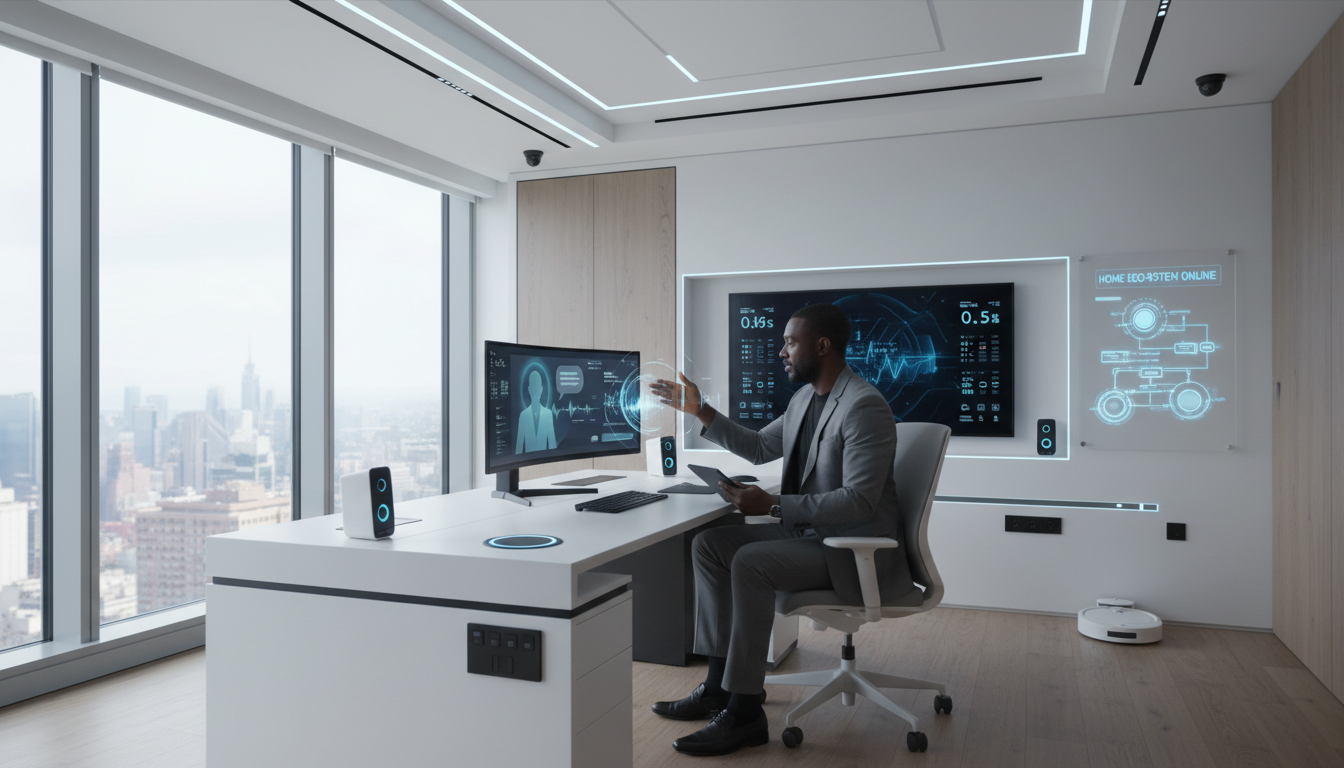
One of the primary benefits of smart home technology is improved energy efficiency. Implement energy-saving solutions like smart thermostats, LED lighting, and energy-efficient appliances. These upgrades not only reduce utility bills but also minimize your environmental footprint.
Monitor energy usage with smart meters and adjust settings to optimize efficiency. Small changes can lead to significant savings over time.
Testing and Final Adjustments
After installation, thoroughly test all systems to ensure they function correctly. This is the time to make any necessary adjustments. Ensure that all devices are integrated and working together as planned.
Conduct a final walkthrough with your contractor to address any issues or concerns. This step is crucial for achieving a seamless smart home experience.