
Embracing Smart Home Construction Trends in Canada


Understanding the Rise of Smart Home Construction
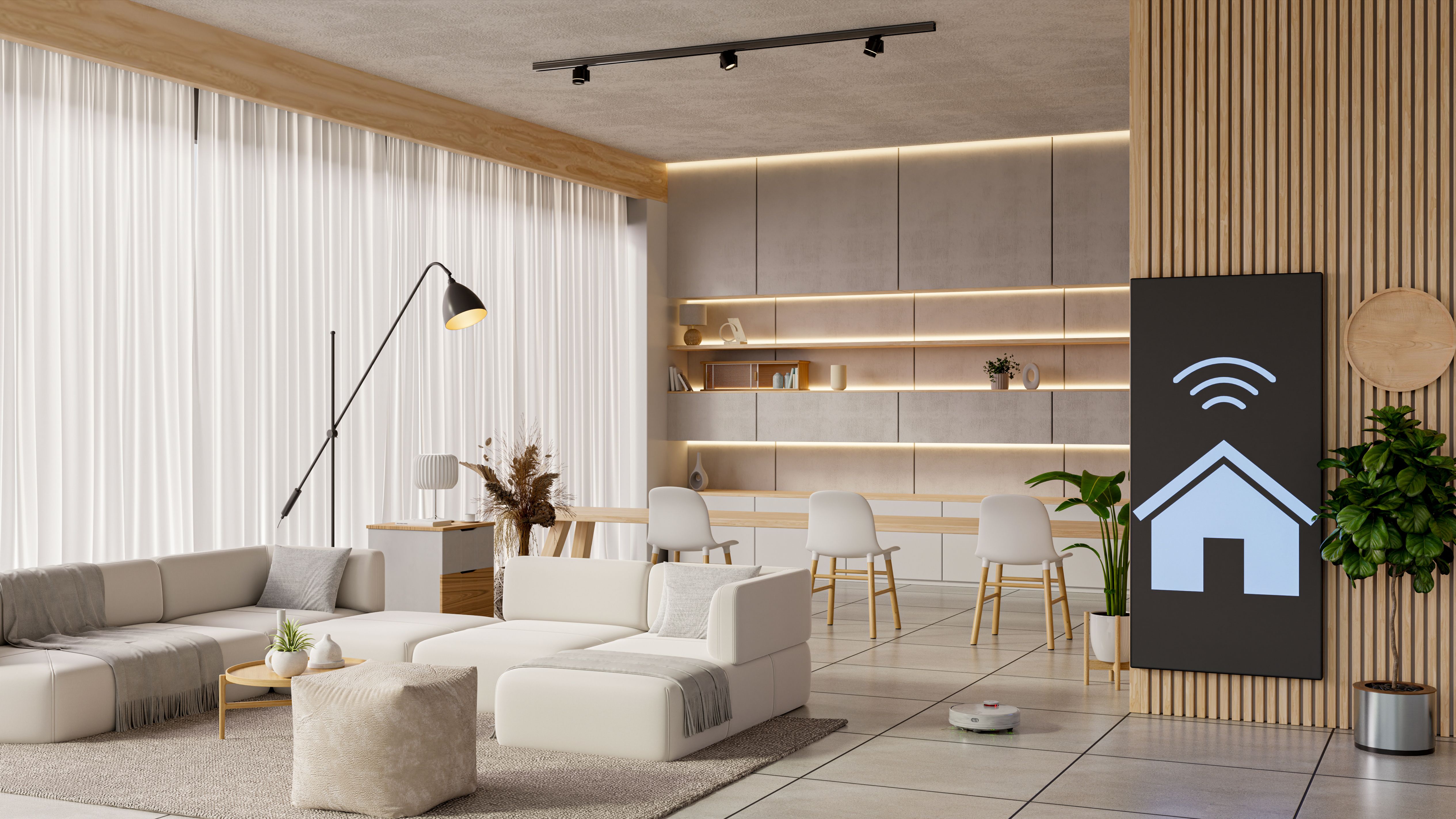
In recent years, the Canadian real estate market has witnessed a burgeoning trend: the integration of smart technologies in home construction. This movement is reshaping the way homes are built and experienced, offering homeowners enhanced convenience, security, and energy efficiency. As technology continues to evolve, builders and homeowners alike are embracing these innovations to create more connected living spaces.
Key Features of Smart Homes
Smart homes are characterized by their ability to automate and remotely control various household functions. Key features often include smart lighting, climate control systems, and security devices. These elements can be managed through centralized systems or smartphone applications, providing users with seamless control over their home environment.
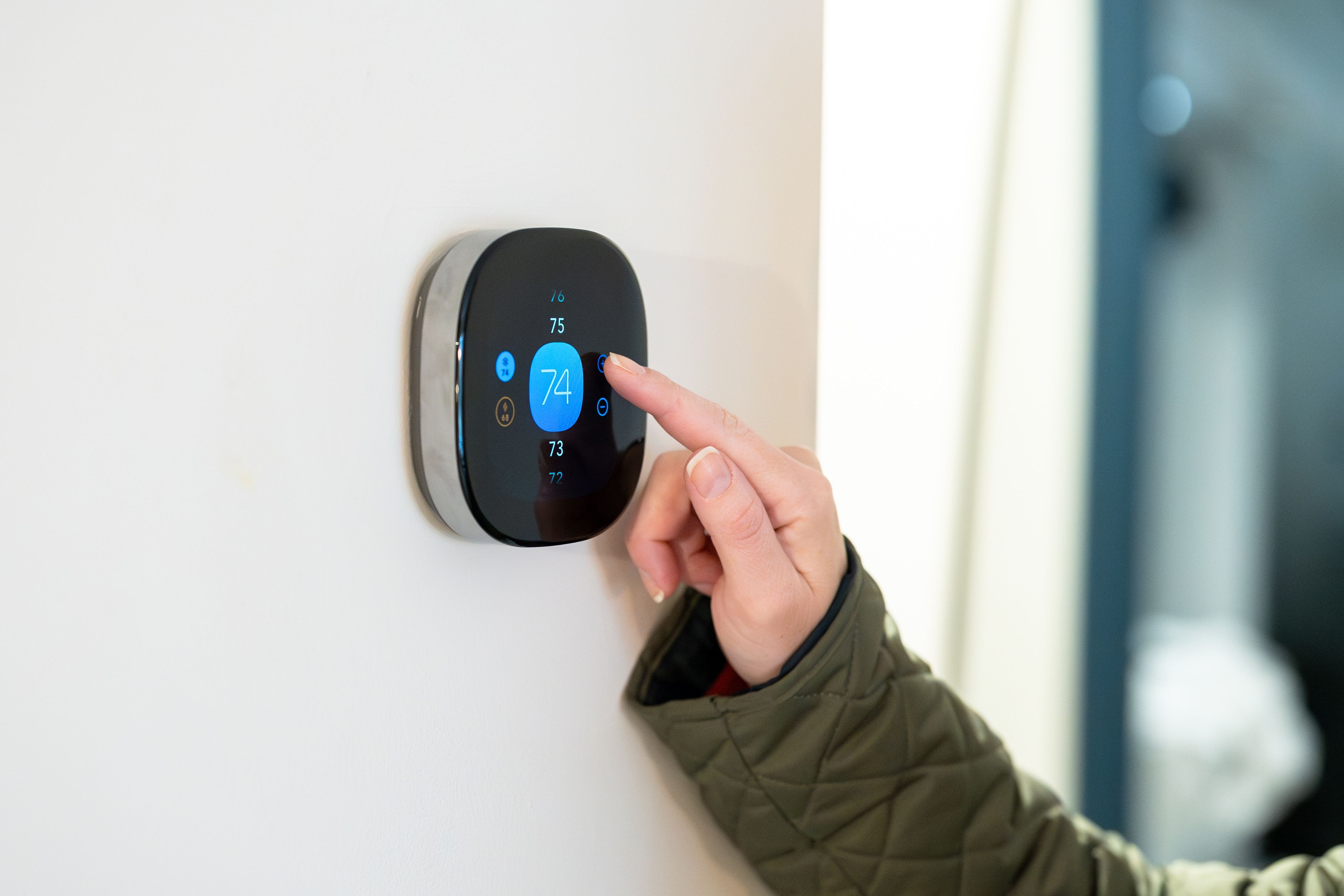
Moreover, smart homes are designed with energy efficiency in mind. Intelligent thermostats, for example, learn user preferences and adjust settings automatically, optimizing energy use and reducing utility bills. Similarly, smart lighting systems can be programmed to turn off when rooms are unoccupied, further conserving energy.
Benefits of Smart Home Technologies
One of the most compelling benefits of smart home technology is the enhanced security it offers. With features like smart locks, surveillance cameras, and motion detectors, homeowners can monitor their properties in real-time from anywhere in the world. These systems can send instant alerts to smartphones, ensuring prompt action in case of unusual activity.
Another significant advantage is the convenience factor. Smart homes can automate routine tasks, such as adjusting lighting or controlling appliances, which can greatly simplify daily life. Additionally, voice-activated assistants, like Amazon Alexa or Google Home, allow users to control smart devices with simple voice commands.
Challenges and Considerations
While the benefits are numerous, there are also challenges to consider when integrating smart technologies into home construction. Privacy concerns are a major issue, as these devices often collect and store data. It's crucial for homeowners to understand how their data is being used and to ensure that their systems have robust security measures in place.
Cost is another consideration. Although prices for smart technologies have decreased in recent years, the initial investment can still be substantial. However, the long-term savings on energy bills and the increased property value often justify the expenditure.
The Future of Smart Homes in Canada
The future of smart homes in Canada looks promising. As technology continues to advance, we can expect even more sophisticated systems that integrate artificial intelligence and machine learning to further enhance the smart home experience. These innovations will likely lead to smarter, more efficient, and more personalized living environments.
Builders are increasingly recognizing the value of incorporating smart technologies into their projects, and this trend is expected to continue. With sustainability and efficiency becoming more important to consumers, smart home features are likely to become standard offerings in new constructions.
Conclusion
Embracing smart home construction trends in Canada represents a significant shift towards more connected and efficient living spaces. As technology evolves, these innovations will continue to enhance our homes, offering increased comfort, security, and sustainability. For homeowners and builders, staying informed about these trends is key to making the most of what smart technology has to offer.