
Common Mistakes in Project Management for Construction: How to Avoid Them


Understanding the Scope of the Project
One of the most common mistakes in project management for construction is failing to clearly define and understand the scope of the project. This oversight can lead to scope creep, which occurs when the project's requirements expand beyond the original objectives. To avoid this, it is crucial to have a detailed project plan in place from the very beginning. This plan should outline the specific tasks, resources, and timelines involved.
Regularly revisiting and reviewing the project scope with all stakeholders can prevent misunderstandings. Encouraging open communication among team members ensures everyone remains aligned on the project's goals and limitations.

Inadequate Risk Management
Risk management is an essential component of successful project management. Many construction projects fail to allocate sufficient time and resources to identify and mitigate potential risks. Without proper risk management, projects can face unforeseen challenges that derail progress and inflate costs.
To combat this, project managers should conduct a thorough risk assessment during the planning phase. Creating a risk management plan that includes strategies for risk avoidance, transfer, mitigation, and acceptance can be instrumental in keeping the project on track.
Poor Communication
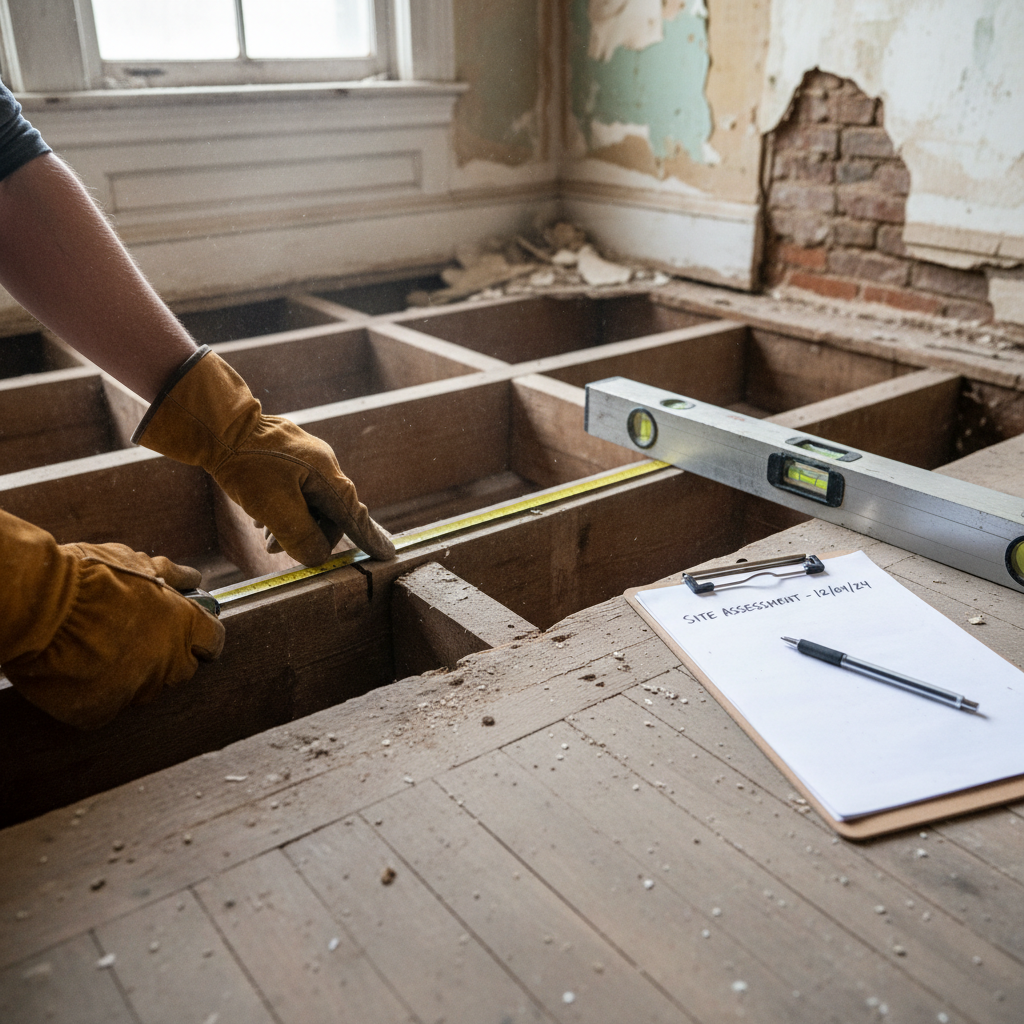
Effective communication is the backbone of any successful construction project. A breakdown in communication can lead to misunderstandings, errors, and delays. It is vital to establish clear communication channels and protocols to ensure information flows smoothly between all parties involved.
Utilizing modern technology, such as project management software and communication tools, can facilitate better information sharing. Regular meetings and updates can also help keep everyone informed and engaged.
Inaccurate Budgeting
Budget overruns are a frequent issue in construction projects. This often results from inaccurate initial budgeting, unexpected costs, and inefficient resource allocation. To avoid these pitfalls, it is important to create a realistic and detailed budget at the outset.
Regularly monitoring expenses and comparing them against the budget can help identify discrepancies early. Additionally, maintaining a contingency fund for unforeseen expenses can provide a safety net to keep the project financially viable.
Failure to Monitor Progress
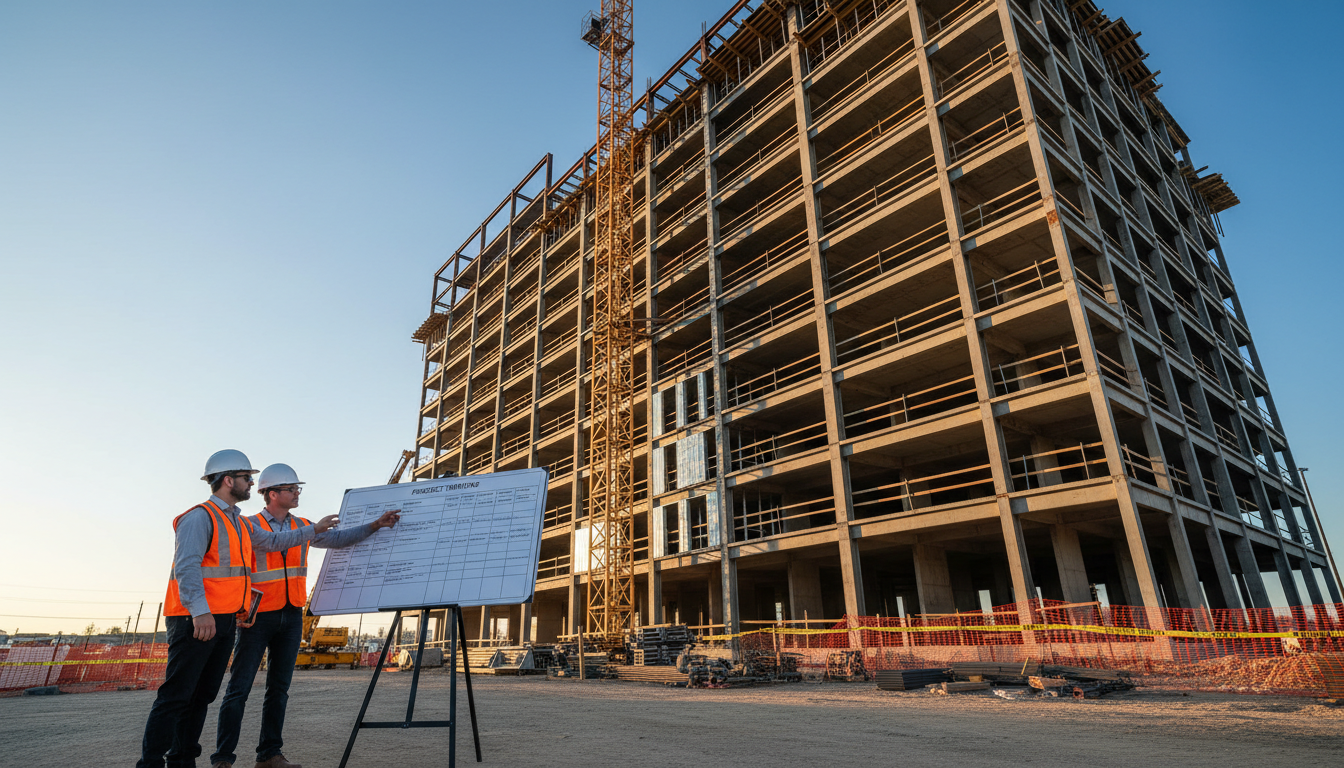
Many project managers fall into the trap of not regularly monitoring the progress of construction projects. Without continuous oversight, small issues can evolve into significant problems, leading to delays and cost overruns.
Implementing a robust tracking system and scheduling regular progress reviews can help maintain momentum and ensure the project remains on schedule. Celebrating milestones and addressing setbacks promptly can keep the project moving forward.
Conclusion
Avoiding common mistakes in project management for construction requires attention to detail, proactive planning, and effective communication. By understanding the potential pitfalls and implementing strategies to mitigate them, project managers can lead their teams to successful project completion.
Adopting best practices and leveraging technology can further enhance project outcomes, ensuring that construction projects are completed on time, within scope, and under budget.