
Common Misconceptions About General Contracting: Debunking Myths


Understanding General Contracting
General contracting is a vital component of the construction industry, yet many misconceptions surround it. At its core, a general contractor is responsible for overseeing a construction project, managing subcontractors, and ensuring the project is completed on time and within budget. Despite its importance, various myths can cloud our understanding of what general contractors do.

Myth 1: General Contractors Are Overpriced
A common belief is that general contractors are unnecessarily expensive. This myth arises from a misunderstanding of the value they provide. General contractors coordinate multiple aspects of a project, ensuring efficiency and safety. Their experience can prevent costly mistakes, ultimately saving money in the long run.
Hiring a general contractor means paying for expertise, project management, and peace of mind. They handle everything from securing permits to managing labor, which can be invaluable for complex projects.
Breaking Down Costs
When considering costs, it's essential to look at the bigger picture. General contractors often have established relationships with suppliers and subcontractors, allowing them to negotiate better rates and ensure high-quality materials and workmanship.

Myth 2: Anyone Can Be a General Contractor
Another misconception is that anyone can step into the role of a general contractor. In reality, it requires a unique set of skills and knowledge. General contractors must understand building codes, possess project management skills, and have extensive experience in construction.
Licensing and certification are often required, ensuring that general contractors meet industry standards. This oversight guarantees that they are qualified to handle the complexities of construction projects.
The Importance of Experience
Experience in the field allows general contractors to foresee potential issues and address them proactively. Their expertise is crucial in navigating unexpected challenges, ensuring the project's success.
Myth 3: General Contractors Don't Communicate
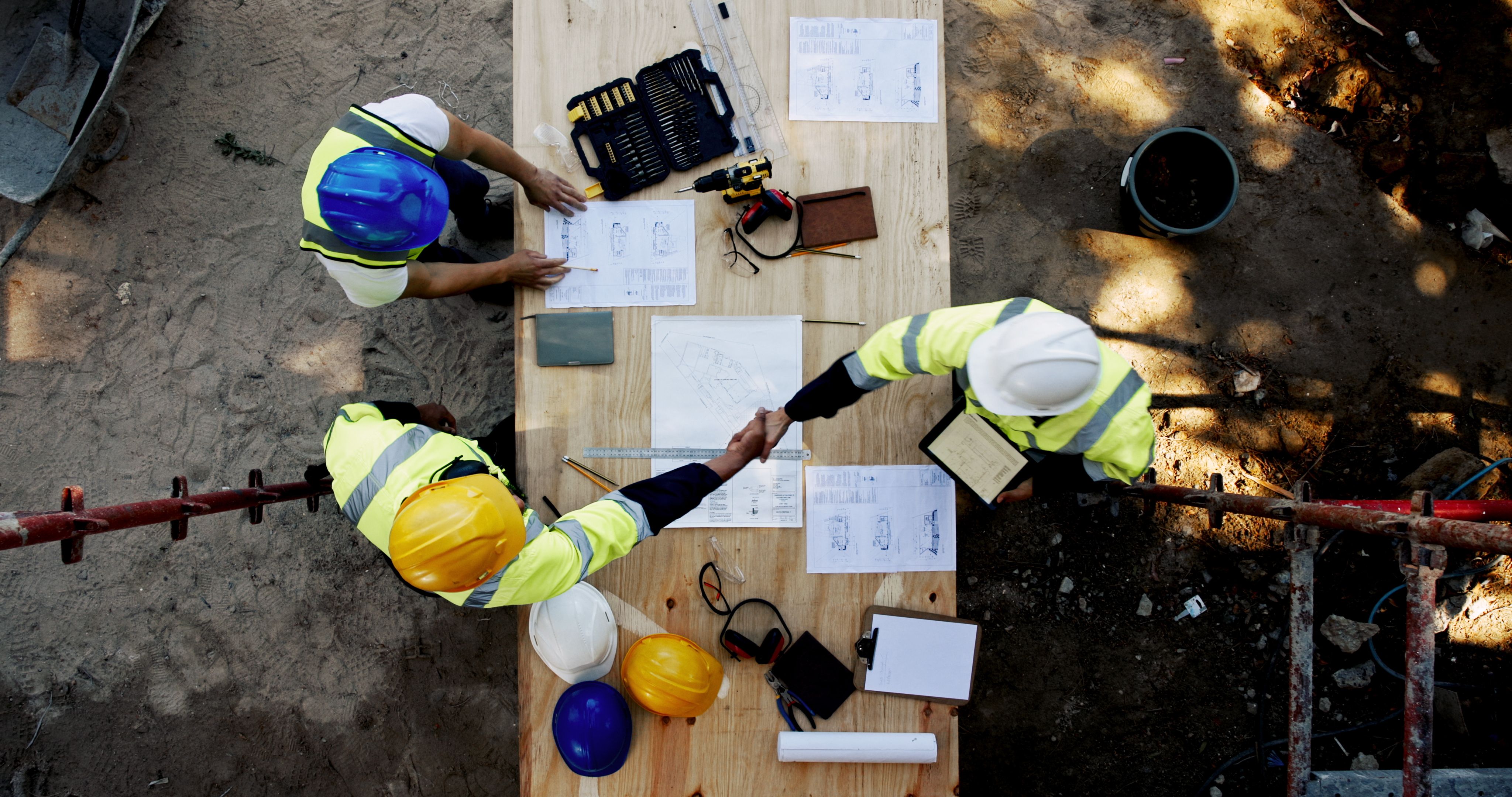
Some people believe that general contractors are not communicative, leading to misunderstandings and frustration. However, effective communication is a cornerstone of successful contracting. A good contractor will maintain open lines of communication with clients, subcontractors, and suppliers.
Regular updates, meetings, and progress reports are standard practices for many reputable contractors. They understand that clear communication is key to meeting client expectations and project goals.
- Regular progress updates
- Transparent budgeting
- Open lines of communication
Conclusion
General contracting is a complex and essential service in the construction industry. By debunking these common misconceptions, we can appreciate the expertise and value that general contractors bring to a project. Whether it's managing costs, ensuring quality, or maintaining clear communication, their role is indispensable.
Understanding the realities of general contracting can lead to more successful projects and satisfied clients, paving the way for a smoother construction process.