
A Comprehensive Guide to Sustainable Construction in Ontario


Understanding Sustainable Construction
Sustainable construction is an approach that seeks to reduce the environmental impact of building activities. In Ontario, this practice is gaining traction as stakeholders recognize the importance of preserving natural resources and minimizing pollution. Sustainable construction involves using eco-friendly materials, efficient technologies, and innovative designs to create structures that are both environmentally responsible and resource-efficient.
Key Principles of Sustainable Construction
There are several core principles that guide sustainable construction practices. These include energy efficiency, water conservation, waste reduction, and the use of sustainable materials. By adhering to these principles, builders can significantly reduce the ecological footprint of their projects, leading to more sustainable communities.
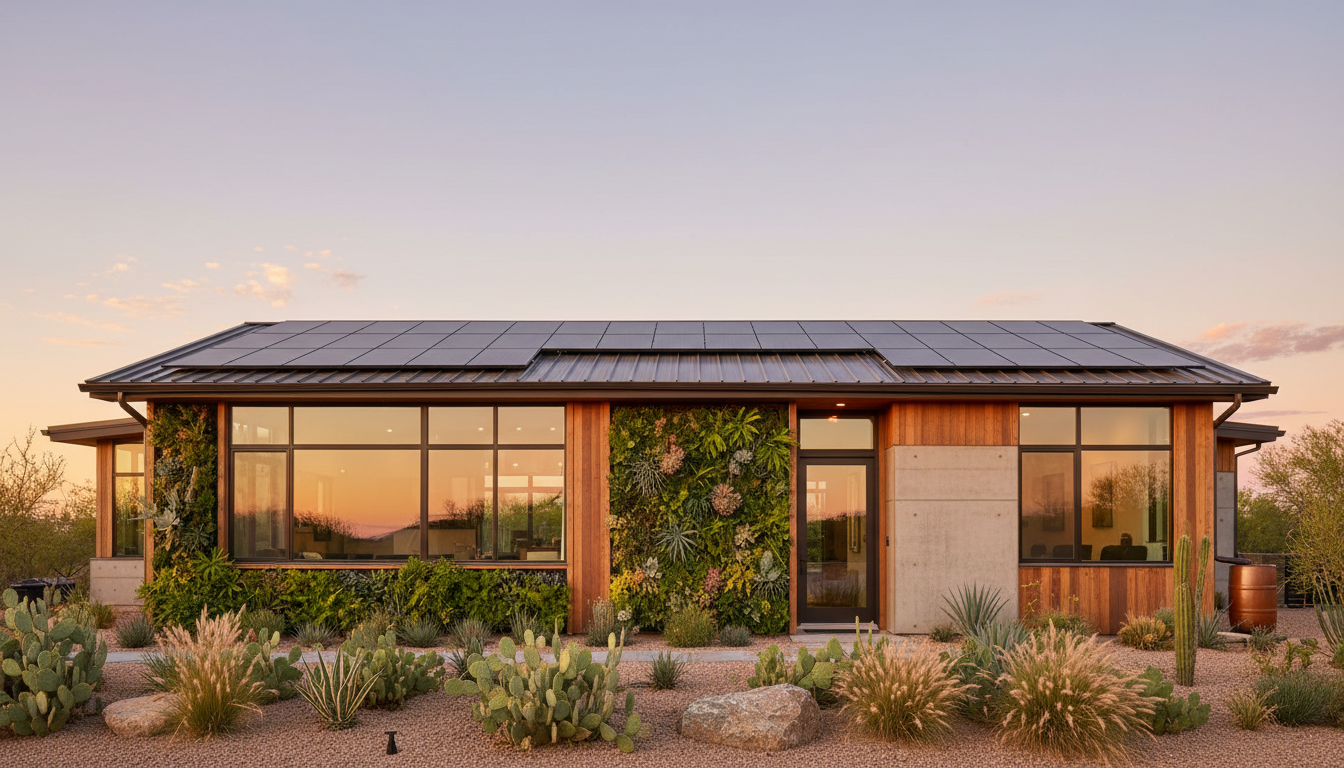
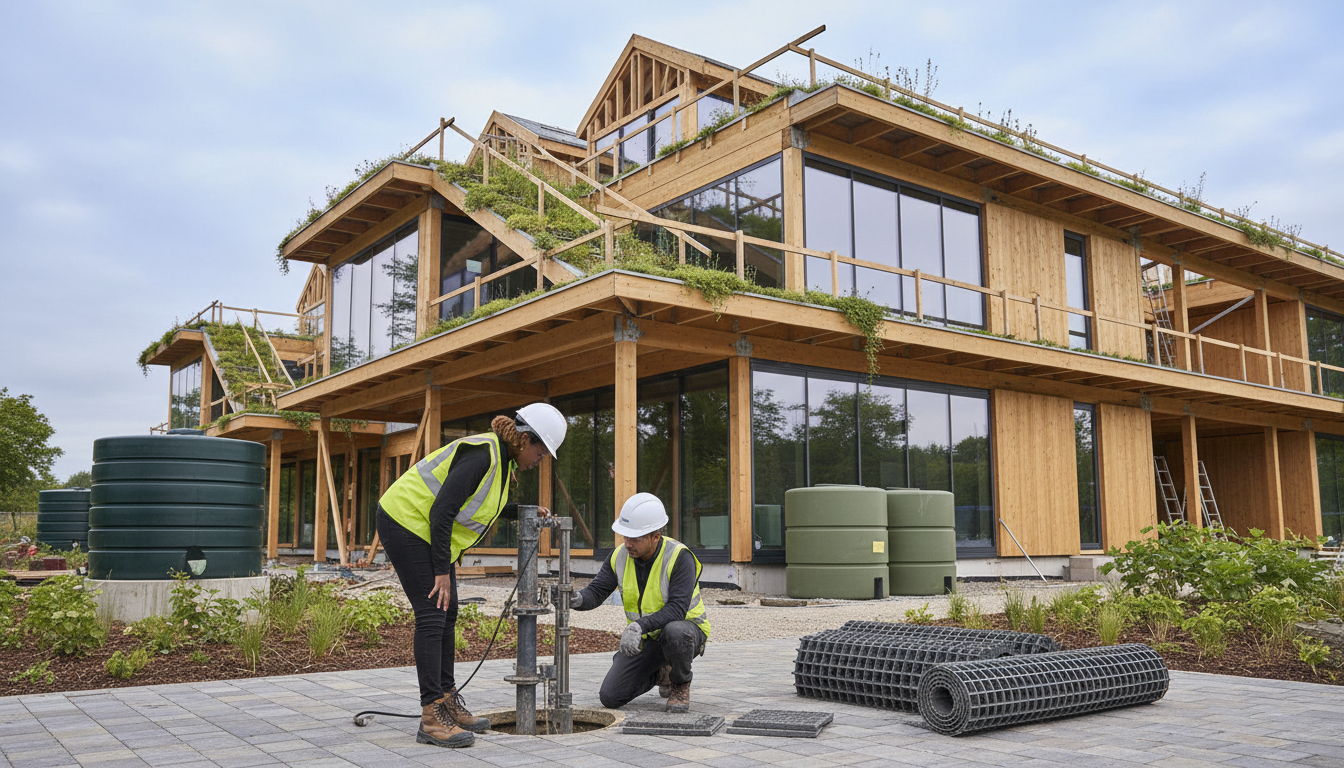
Energy efficiency is achieved through the use of high-performance insulation, energy-efficient windows, and renewable energy sources like solar panels. Water conservation is addressed by installing low-flow fixtures and utilizing rainwater harvesting systems. Waste reduction involves recycling materials and minimizing construction debris, while sustainable materials include recycled steel, bamboo, and other renewable resources.
The Benefits of Sustainable Construction
The advantages of sustainable construction extend beyond environmental protection. It also offers economic and social benefits. For instance, energy-efficient buildings often have lower operating costs due to reduced utility bills. Additionally, sustainable construction can enhance property values and attract environmentally conscious buyers.
Socially, sustainable construction contributes to healthier living environments. Buildings designed with natural lighting and ventilation improve indoor air quality, which can lead to better health outcomes for occupants. Moreover, sustainable practices can foster community engagement and pride.
Ontario's Regulations and Incentives
In Ontario, the government supports sustainable construction through various regulations and incentives. The Ontario Building Code includes provisions for energy efficiency, ensuring that new constructions adhere to modern environmental standards. Furthermore, there are incentives available for builders who incorporate green technologies and materials in their projects.
These incentives may include tax breaks, grants, and subsidies, which can help offset the initial costs of sustainable building practices. By taking advantage of these opportunities, builders can make eco-friendly choices more economically viable.

Challenges and Solutions
Despite the numerous benefits, sustainable construction in Ontario faces challenges. These include higher upfront costs, a lack of awareness, and resistance to change. However, these obstacles can be overcome through education, innovation, and collaboration among stakeholders.
Education is crucial in raising awareness about the benefits and feasibility of sustainable construction. Workshops, seminars, and online resources can equip builders and consumers with the knowledge needed to make informed decisions. Innovation in building materials and techniques can also help reduce costs and improve the sustainability of construction projects.
Future of Sustainable Construction in Ontario
The future of sustainable construction in Ontario looks promising. As technology advances and public awareness grows, the demand for eco-friendly buildings is expected to rise. This shift presents an opportunity for the construction industry to embrace sustainable practices fully and lead the way in environmental stewardship.
By prioritizing sustainability, Ontario can set an example for other regions and contribute to global efforts to combat climate change. The collective efforts of government, industry, and communities will be essential in driving this transformation.