
5 Key Elements of Successful Project Management for Construction Projects


Clear Project Goals and Objectives
Establishing clear goals and objectives is fundamental to the success of any construction project. These goals should be specific, measurable, attainable, relevant, and time-bound (SMART). Clearly defined objectives provide a roadmap for the entire team, ensuring everyone is aligned and working towards the same outcomes.
For instance, if a project aims to build a new office complex, the objectives might include completing the structure within a 12-month timeframe and within a specified budget. By setting these parameters, stakeholders can easily track progress and make necessary adjustments.

Effective Communication
Communication is the backbone of successful project management. It ensures that all parties involved are informed and can collaborate effectively. Regular meetings, updates, and reports help maintain transparency and build trust among team members.
Implementing tools like project management software can facilitate better communication. These tools allow for real-time updates and centralized information, making it easier to keep everyone on the same page.
Comprehensive Risk Management
Every construction project comes with its own set of risks. Identifying potential risks early and developing mitigation strategies is crucial. This involves assessing the likelihood of risks and their potential impact on the project.
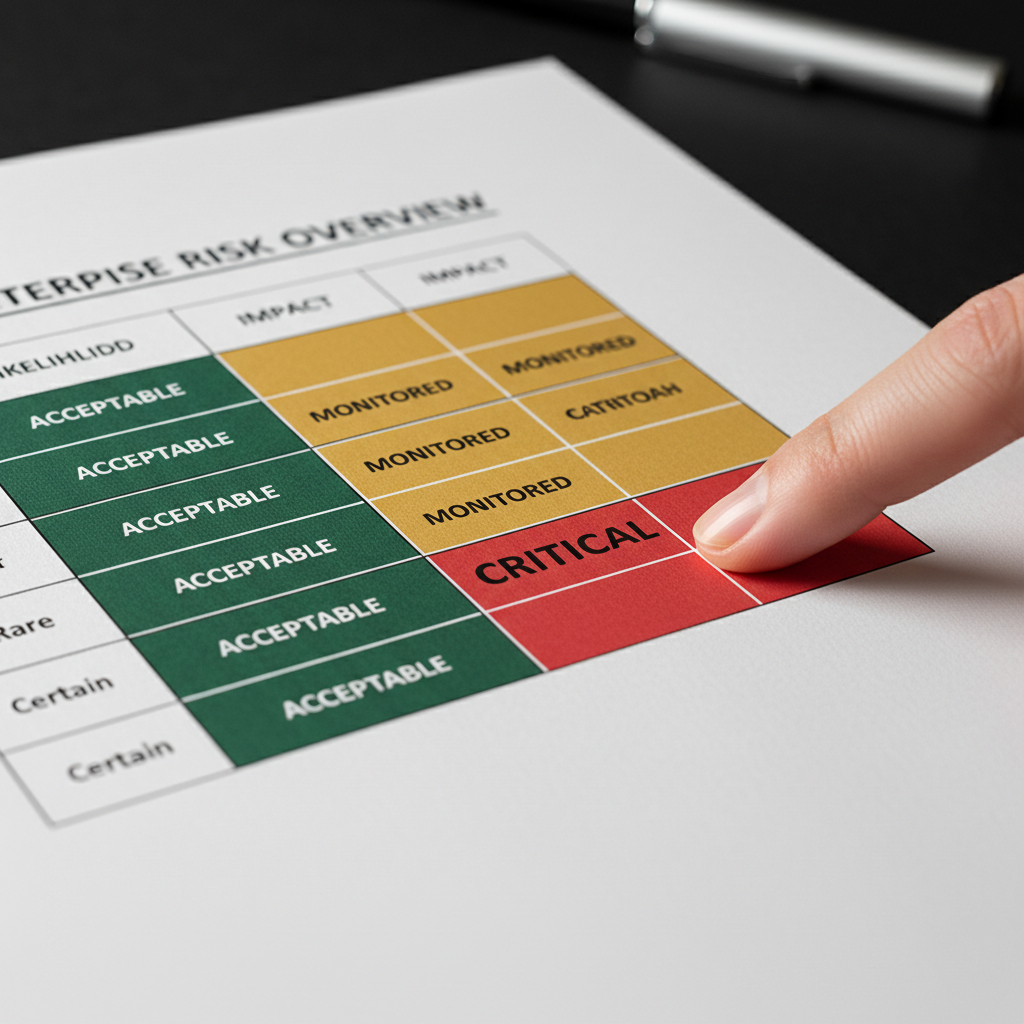
Regular risk assessments and contingency planning are essential practices. By anticipating challenges, project managers can minimize disruptions and keep the project on track.
Strong Leadership and Team Management
Successful construction projects require strong leadership. Project managers need to inspire and motivate their teams while also providing direction and support. Effective leaders are adaptable, decisive, and skilled in conflict resolution.
Building a competent team is equally important. Assigning roles based on individual strengths and ensuring that everyone has the necessary resources and training can significantly enhance productivity and project outcomes.

Efficient Resource Management
Managing resources effectively is vital for staying on budget and schedule. This includes not only materials and equipment but also human resources. Accurate forecasting and allocation of resources can prevent delays and cost overruns.
Utilizing technology, such as Building Information Modeling (BIM), can optimize resource management by providing detailed insights into project requirements and progress. This allows for better planning and coordination.
In conclusion, successful project management in construction requires a combination of strategic planning, effective communication, risk management, leadership, and resource management. By focusing on these key elements, project managers can enhance efficiency and ensure project success.